Game · In development · October 2026
Emily
Eight small rooms for feeling things. Each microgame turns one emotional pattern, such as burden, disorientation, intimacy, absence or complicity, into a mechanic you feel rather than read about, and every feeling is drawn as a creature of light in deep water.
Clips
Carry
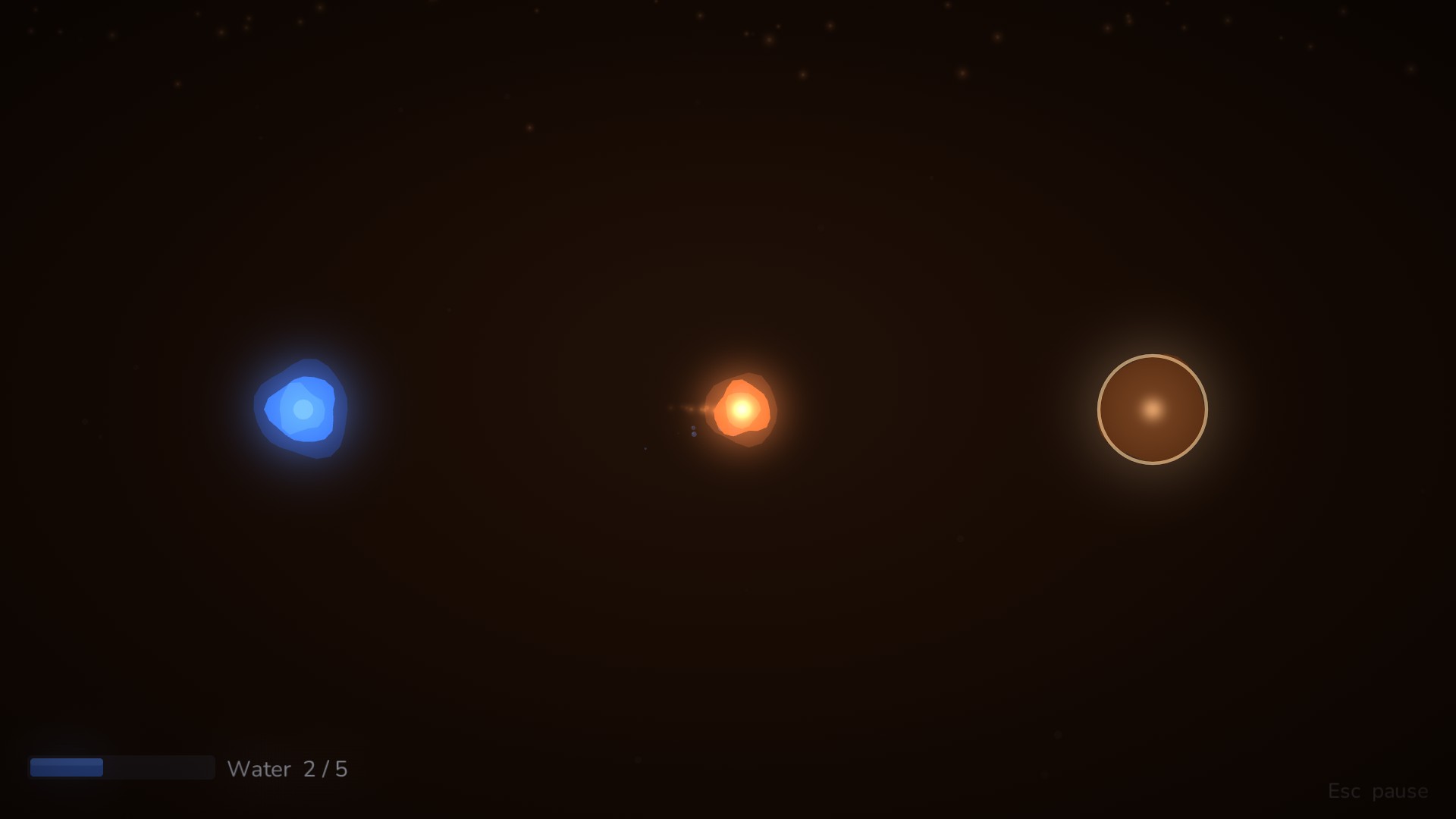
Hold Space at the well and turn the keys in a circle to wind up a bucket. Each one you carry makes you slower and dims your ember. Pour them into the basin and it fills with light. Then set the buckets down and rest, and the room fades on its last line: the well is still there.
Weight
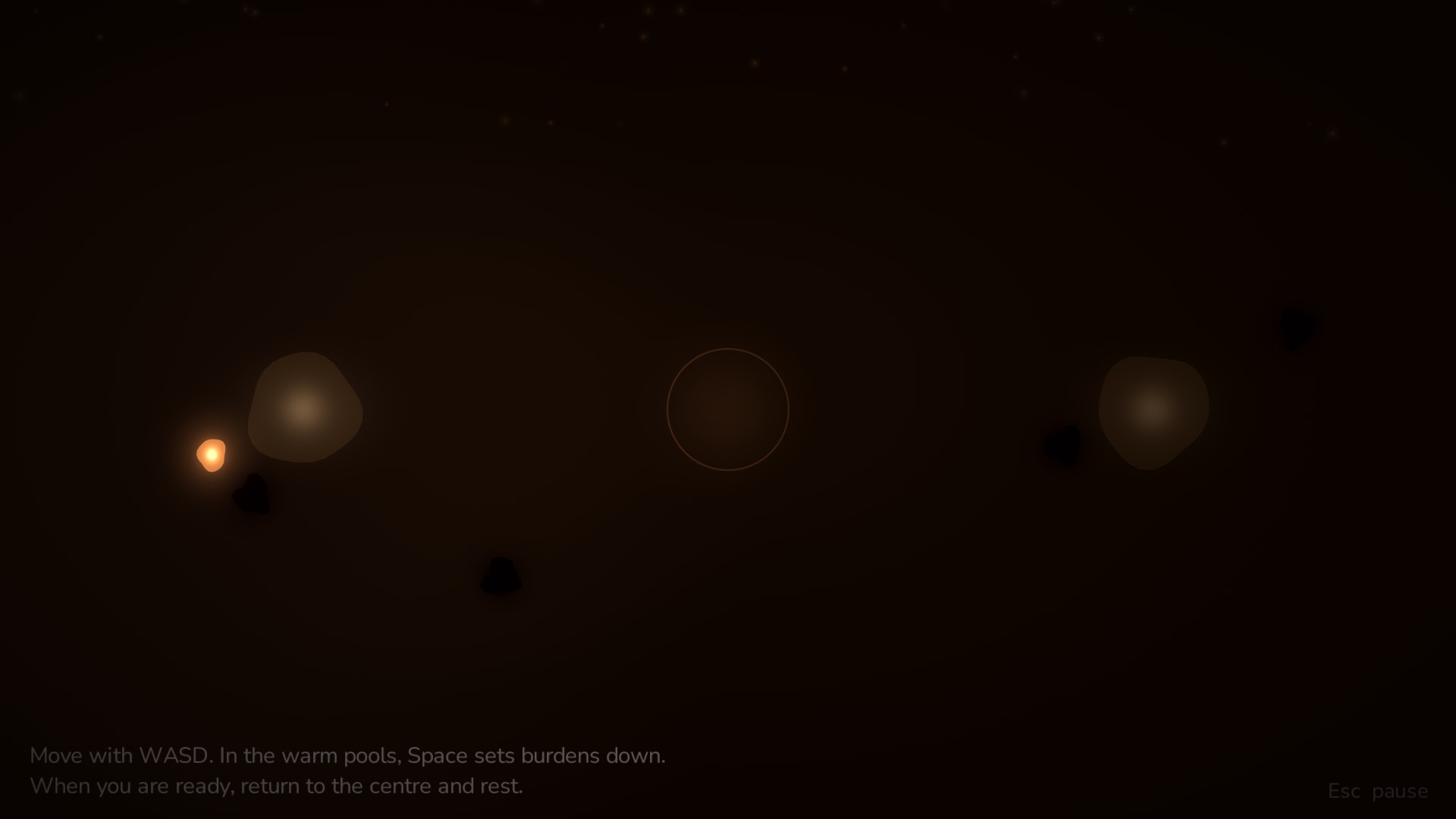
Shadows drift toward you and cling, and every one you carry makes the dark close in. In the warm pools you can try to set them down. Most come away. Some don't. Return to the hearth at the center and be still, and the game ends where it began.
Fog (Anchors)
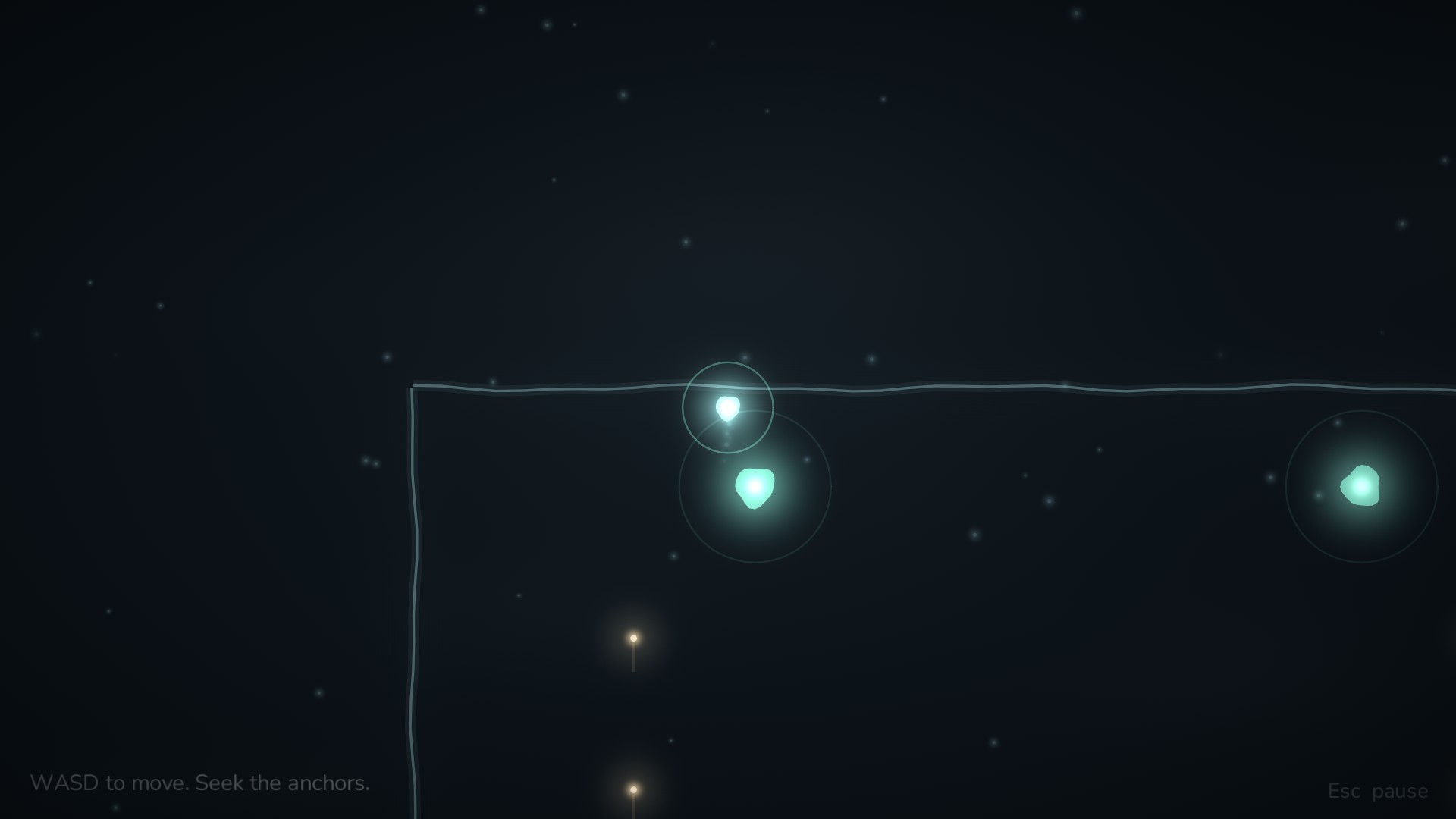
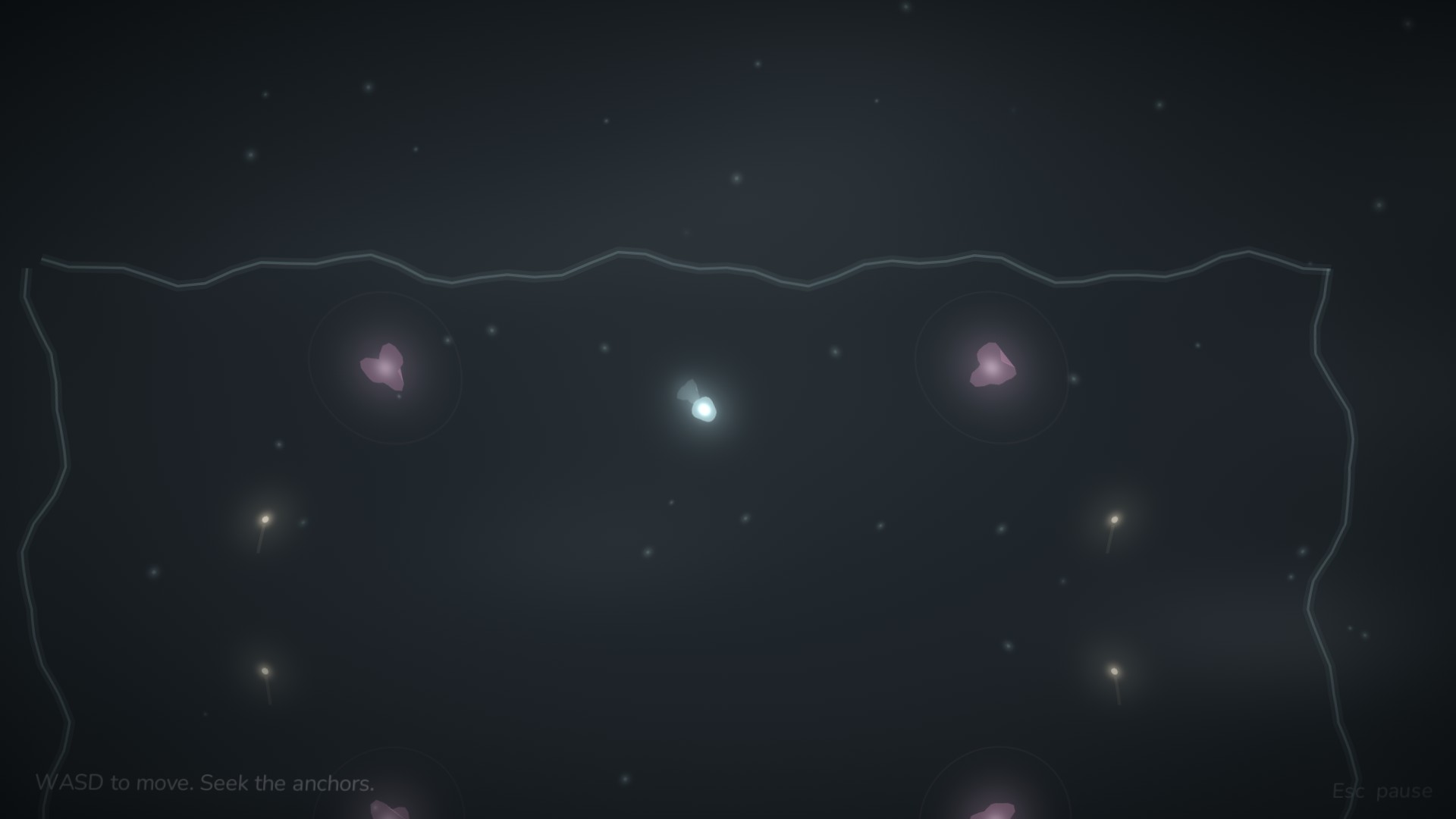
At first the anchors are steady teal lights, and touching one sets the world straight. As the disorientation grows they gutter to khaki, then turn a sick mauve that pulses off the beat and makes things worse. The walls waver and the screen itself warps. Stop reaching for them, and the game lets you go.
Hold
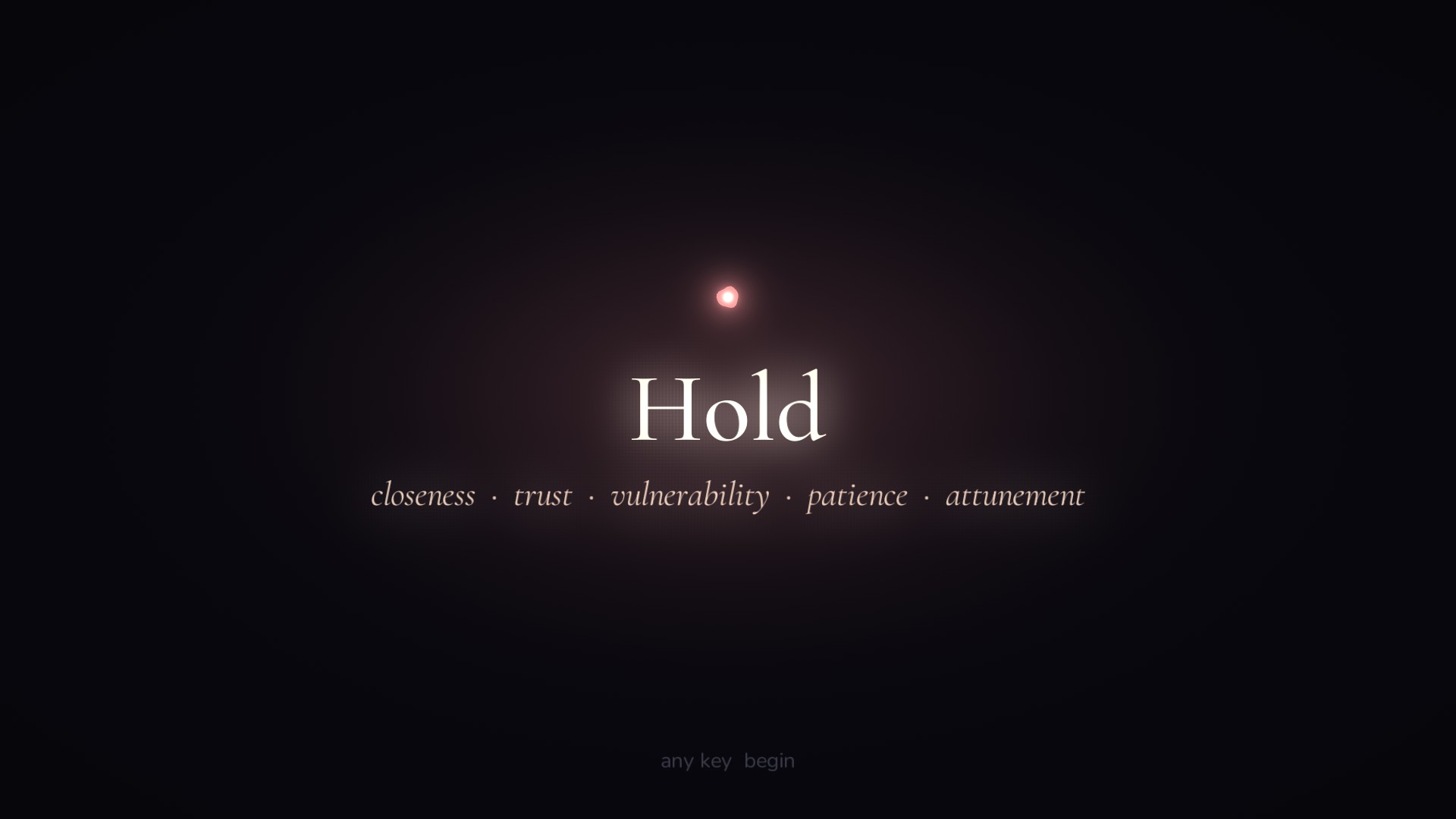
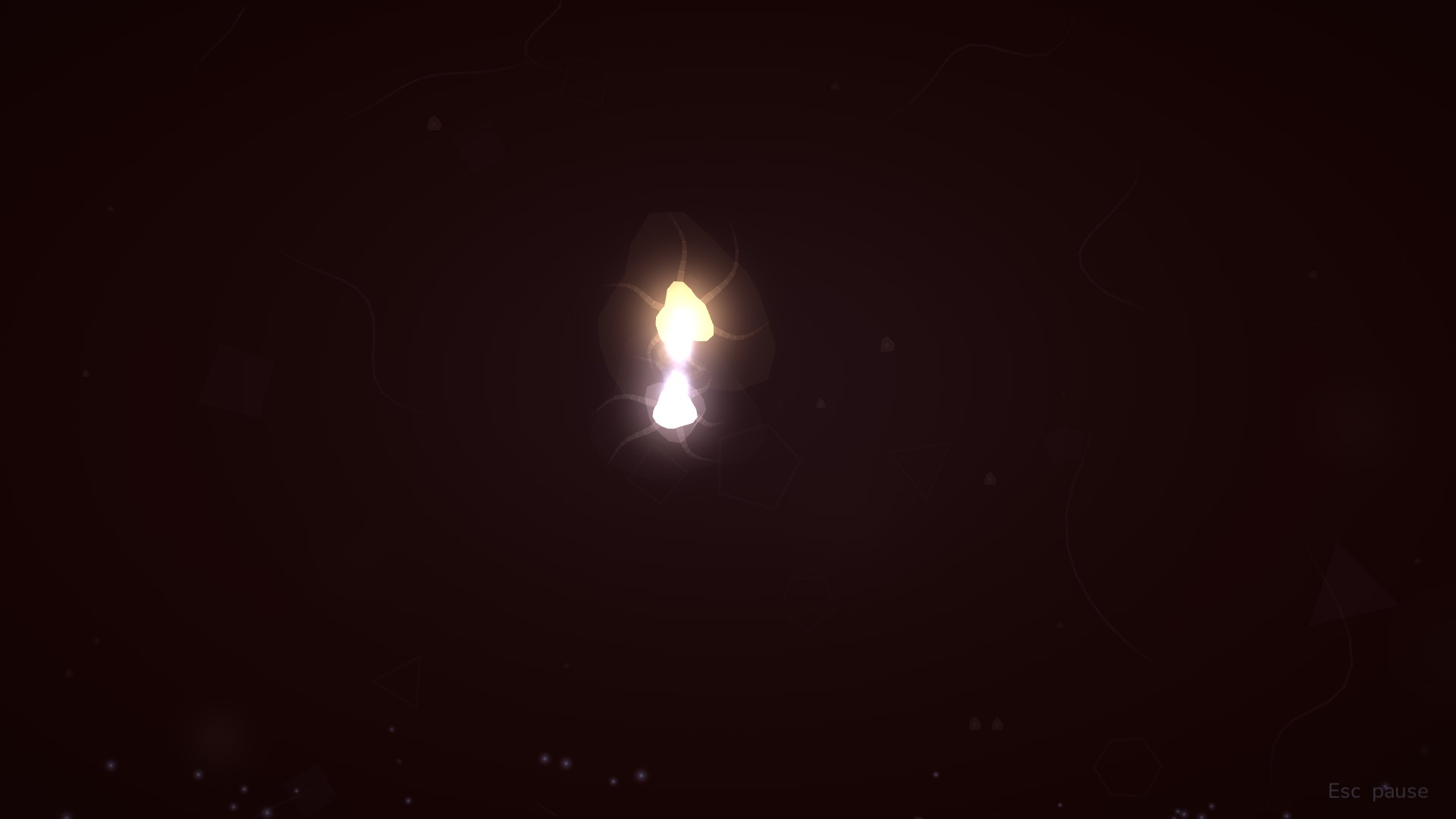
The last minute of a patient game. There is nothing to press: you come close, keep still and follow when you are invited. The other light warms, the whole room warms with it, and the two drift together. Rush and it withdraws. Stay, and the ending says so.
Lantern
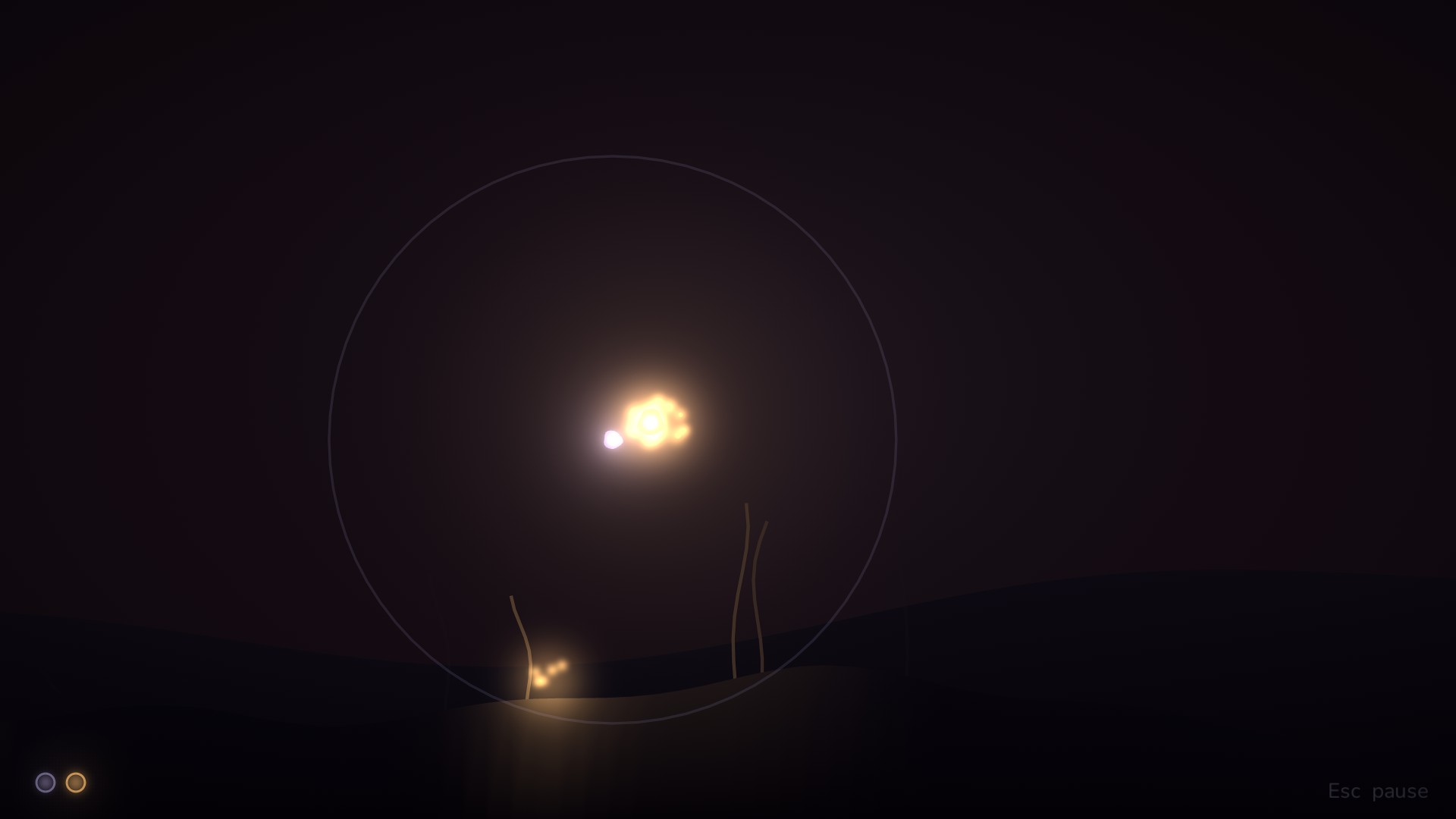
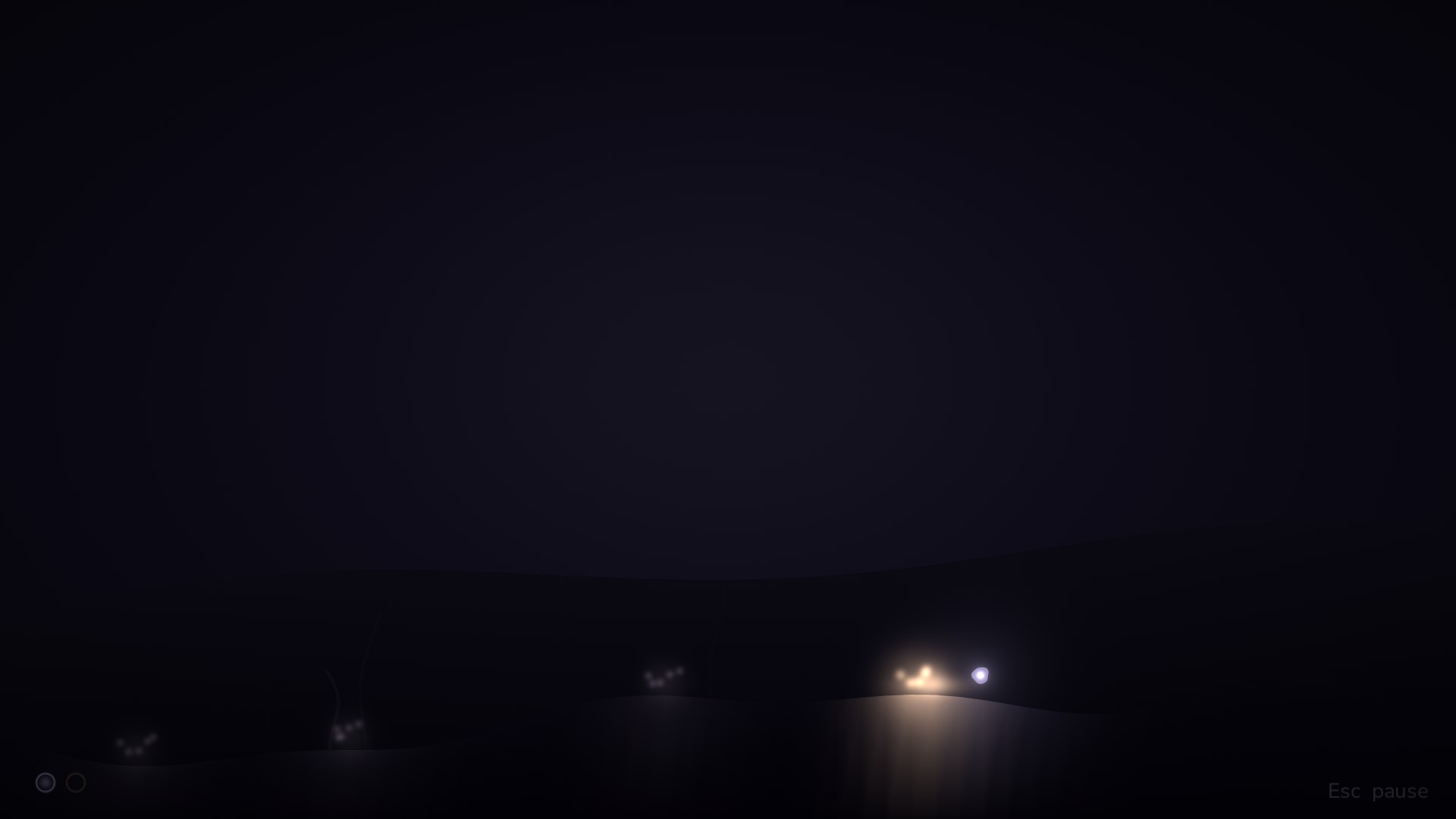
A small candle-gold light keeps you company. It shows you the way, answers when you call, and wakes the anemones on the seabed. Then, through no fault of yours, it tires, settles on the seabed and goes out. Afterwards the call still sounds and nothing answers. Go down to where it rests, be still, and the game lets you stay.
Ledger, at double speed
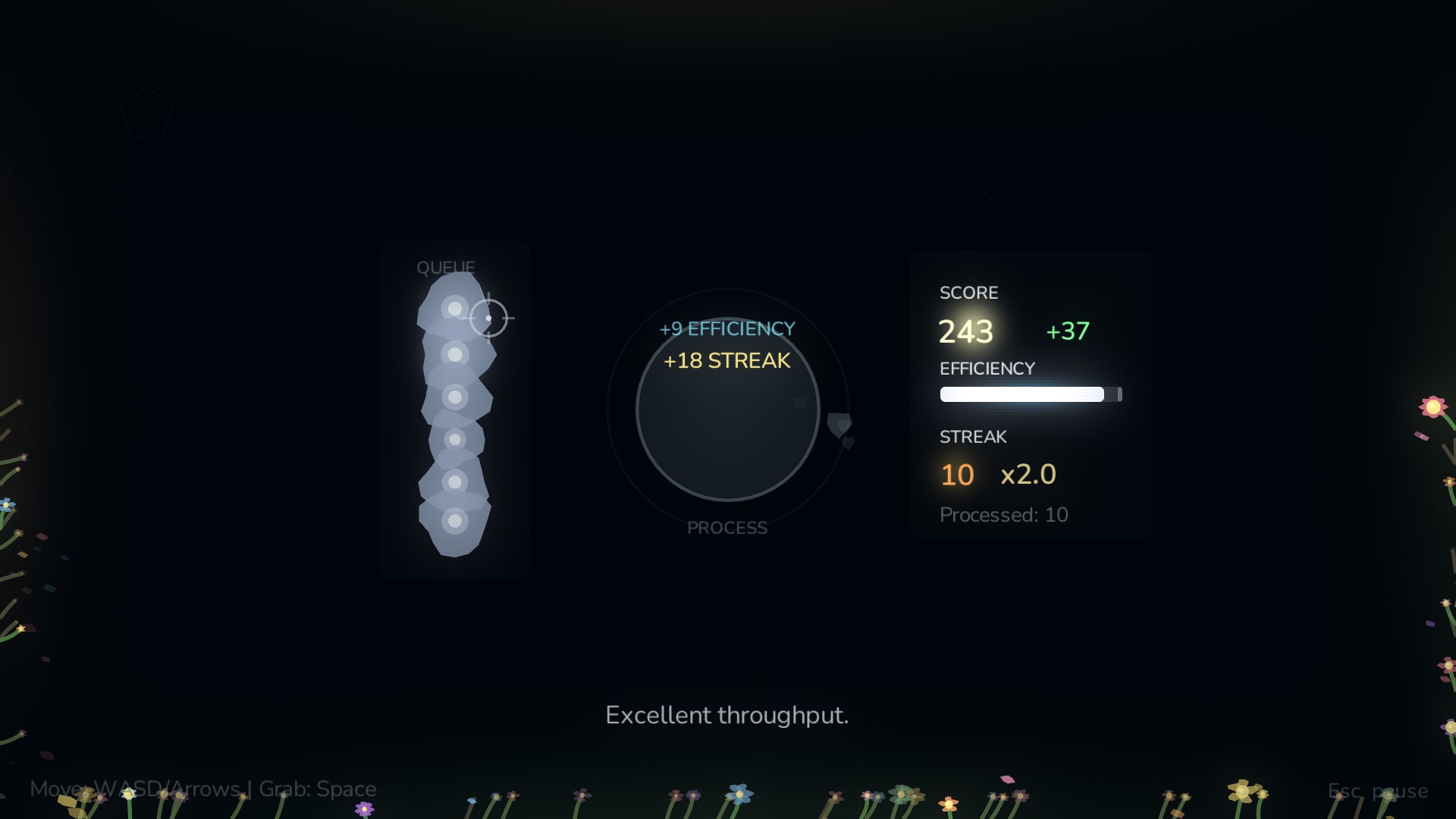
Process the items. The score climbs, the streak multiplies and the panel praises your throughput. Each processed item leaves a trail that drifts off the screen, and wherever one lands the flowers wilt and the small creatures flee. The meadow at the edges is the only part of the screen that isn't counting.
Screenshots
About
Emily, the Emotional Playground, is a set of small games about feelings. Each one takes a single pattern from the Expressive Mechanics Library, a catalogue of ways a mechanic can carry an emotion, and builds a short room around it. There are no scores to chase, except in the one game where the score is the point. You don’t win. You notice what the game made you feel, and a line at the end names it.
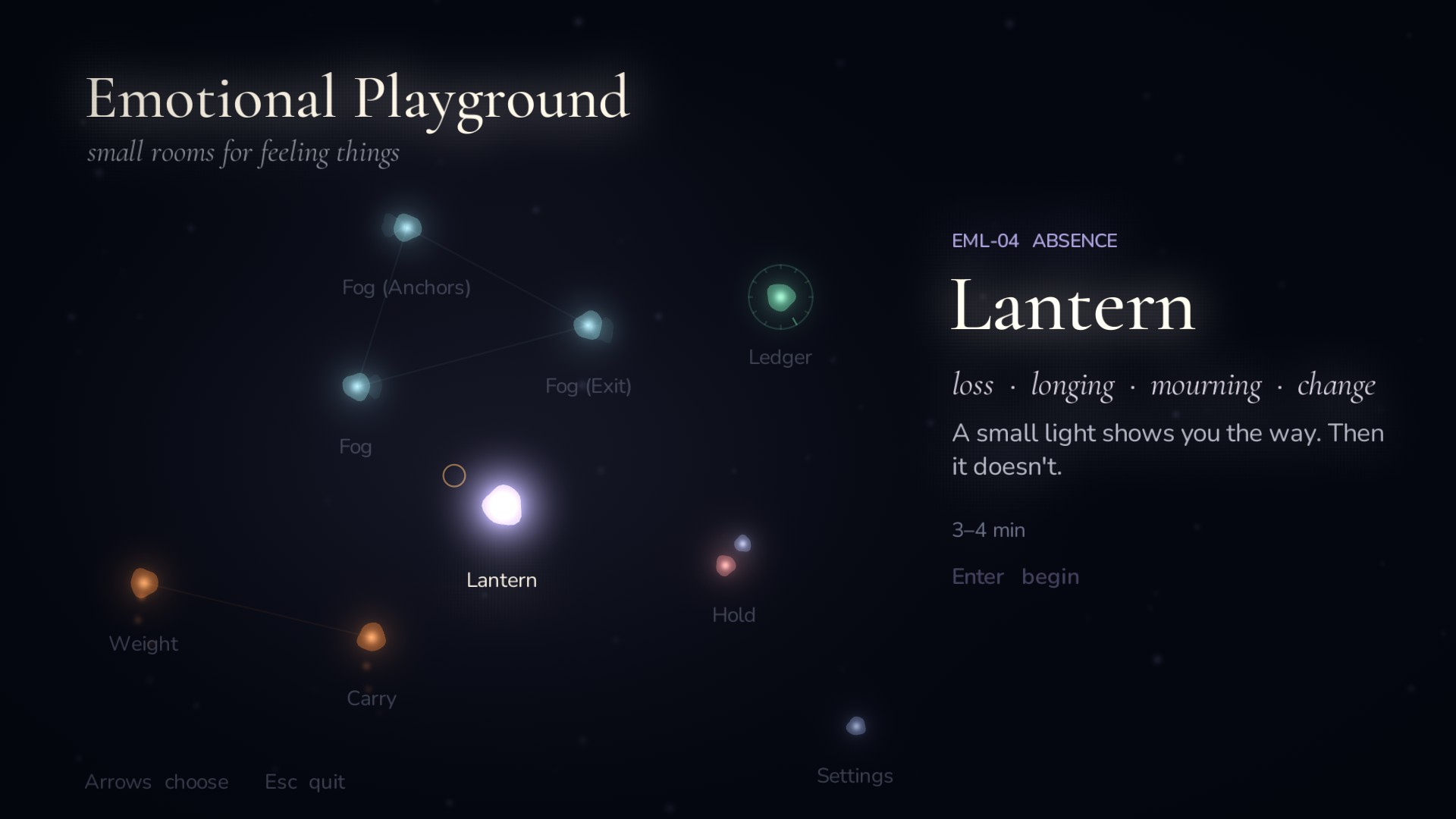
The film above is the Pool, where you choose a room. Every game is a creature of light, and its body shows its feeling. Burden sheds embers that fall. Fog has a ghost double that is never quite where it should be. Hold is two lights orbiting each other. Lantern’s small companion light drifts away and comes back, and Ledger sits inside a precise, ticking ring. As you move between them, the whole pool takes on the color of the one you’re looking at.
The cover is eight rooms side by side, each in its own light: the ember of Carry and Weight, the grey-cyan of the three Fog games, the rose of Hold, the dusk lavender of Lantern and the clinical mint of Ledger.
The Rooms
- Carry (burden): movement slows with every bucket of water you carry, and there is always more water to carry.
- Weight (burden): shadows cling to you and your view narrows. Some burdens lift, some lighten, and some stay.
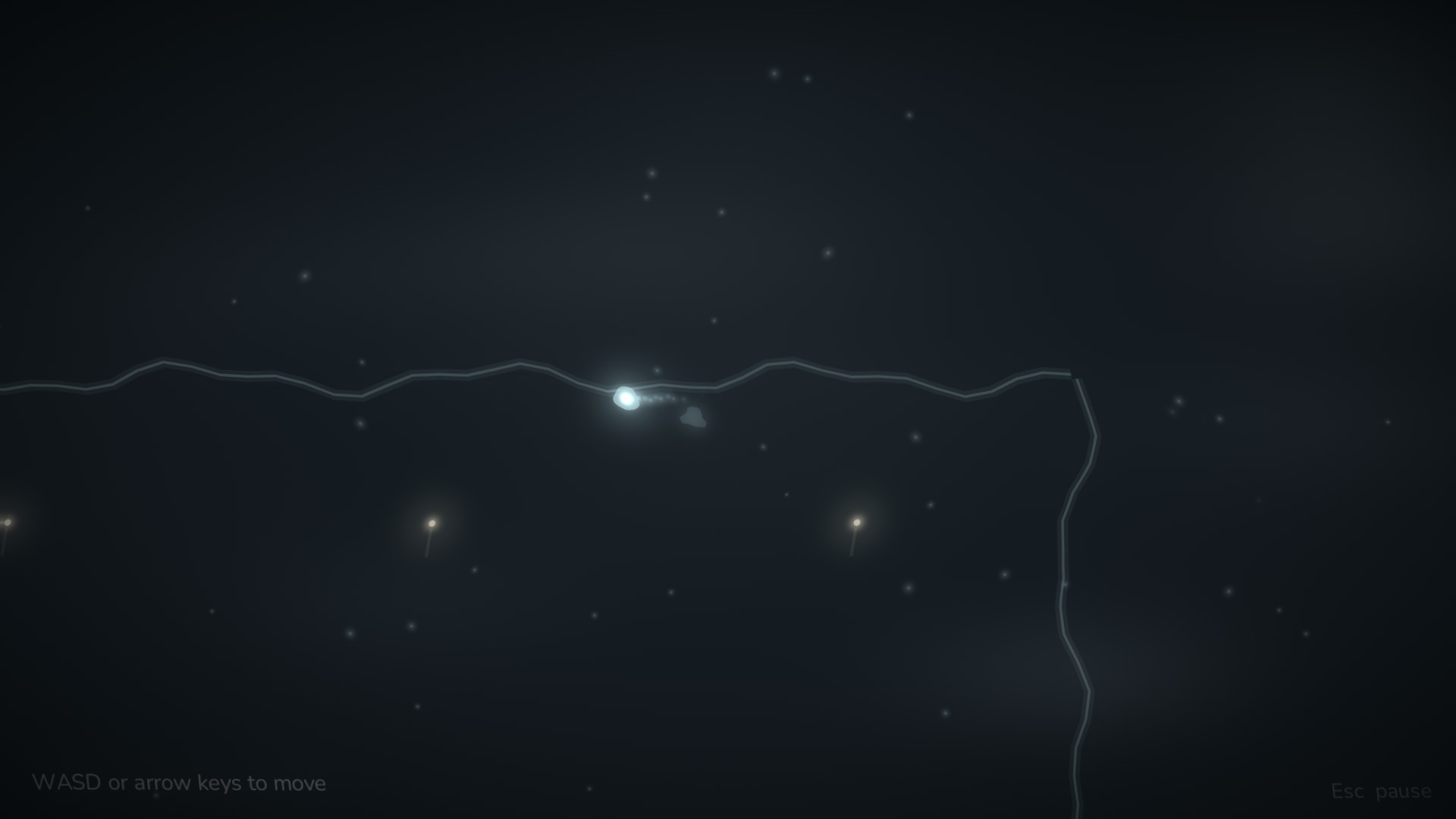
- Fog (disorientation): your controls drift and swap as you lose your bearings, and pressing against the walls makes it worse.
- Fog (Anchors) (disorientation): anchors steady you, until they don’t.
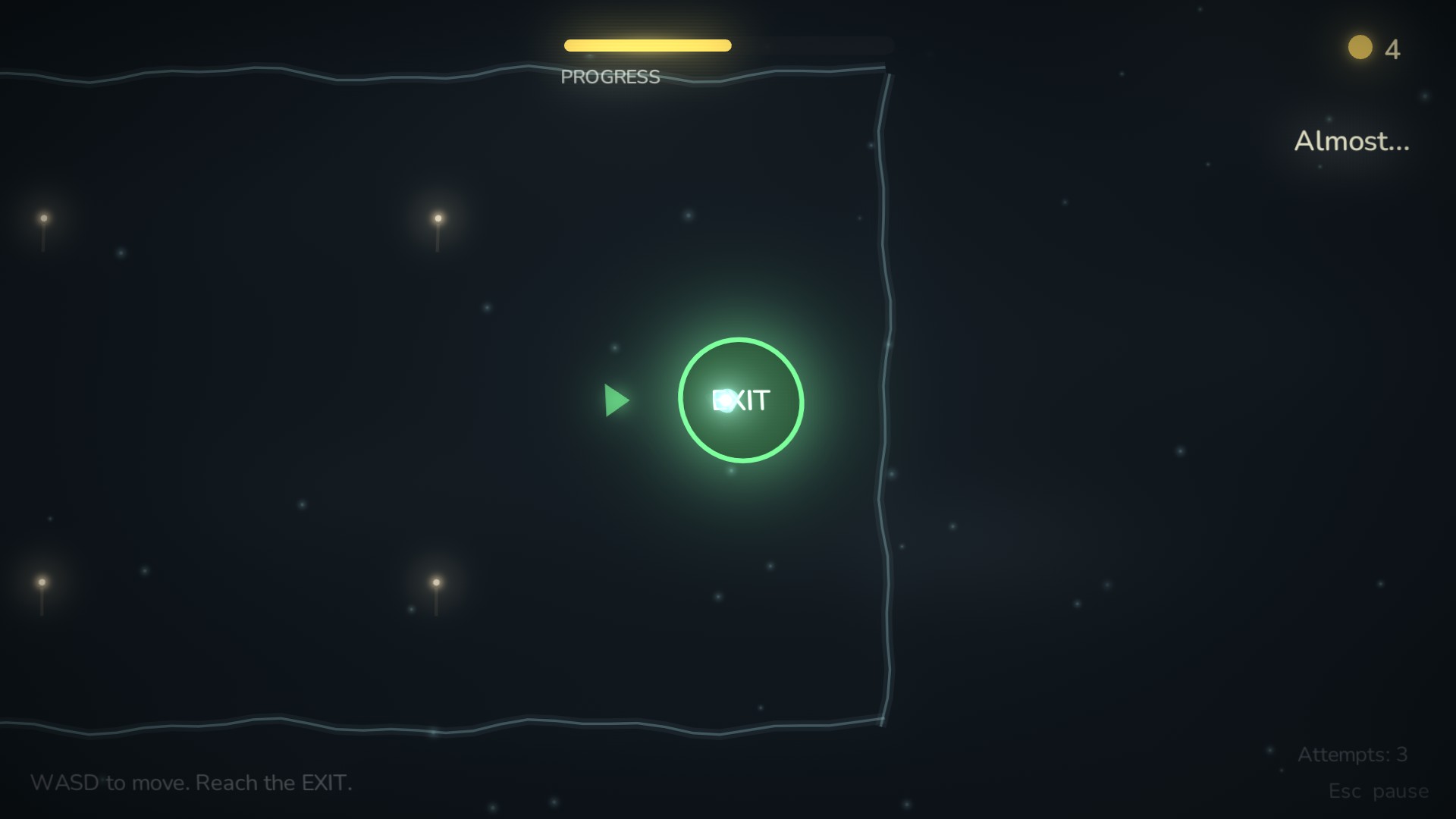
- Fog (Exit) (disorientation): the exit is right there. Reaching it brings coins, a progress bar and “Validating…”, and never a clear answer.
- Hold (intimacy): closeness grows only through patience, stillness and following. Reaching too quickly ends it.
- Lantern (absence): a companion light you come to rely on goes out, and everything still works except the part that was it.
- Ledger (complicity): a calm, efficient job, and a meadow at the edge of the screen that pays for it.
Endings
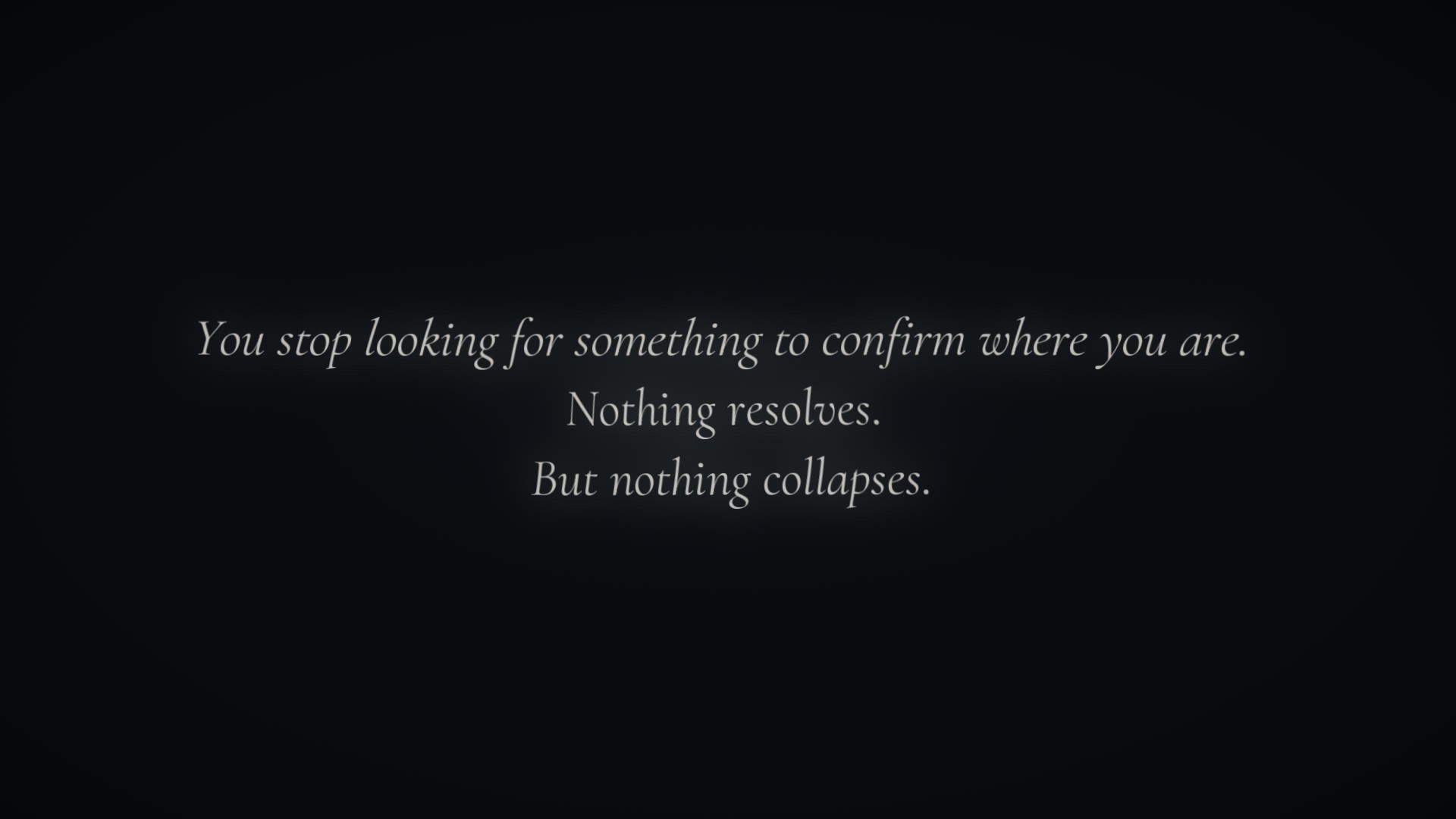
Every game ends the same way. Its world fades into the deep and one line rises in italic serif, then lingers before you return to the Pool:
- You stayed.
- You stayed with it a while. The dark was gentler there.
- Nothing resolves. But nothing collapses.
- The basin is full. Tomorrow it will be empty again.
- You did everything you were asked. The system did not clarify.
- Some burdens lift. Some lighten. Some become part of you.
How a game ends depends on how you played it, so most games have more than one line.
Living Light
The look has one rule: feelings are bioluminescent creatures, and darkness is the canvas. Each emotional pattern has its own hue, and the color grade carries the feeling:
- Hold warms the whole screen as closeness grows, and its bloom swells.
- Lantern shows only what a light is near. When the lantern goes out, the warmth and color drain away and the dark closes in.
- Ledger drains the color from the world as the flowers die.
- Burden closes the vignette in around your ember.
- Disorientation warps the screen itself, so in the Fog games the picture is as unreliable as the controls.
Each game opens on a title card in its own color, and scenes dissolve through the dark rather than cutting. The type is Cormorant Garamond for the words that carry feeling and Nunito for everything else.
How These Were Made
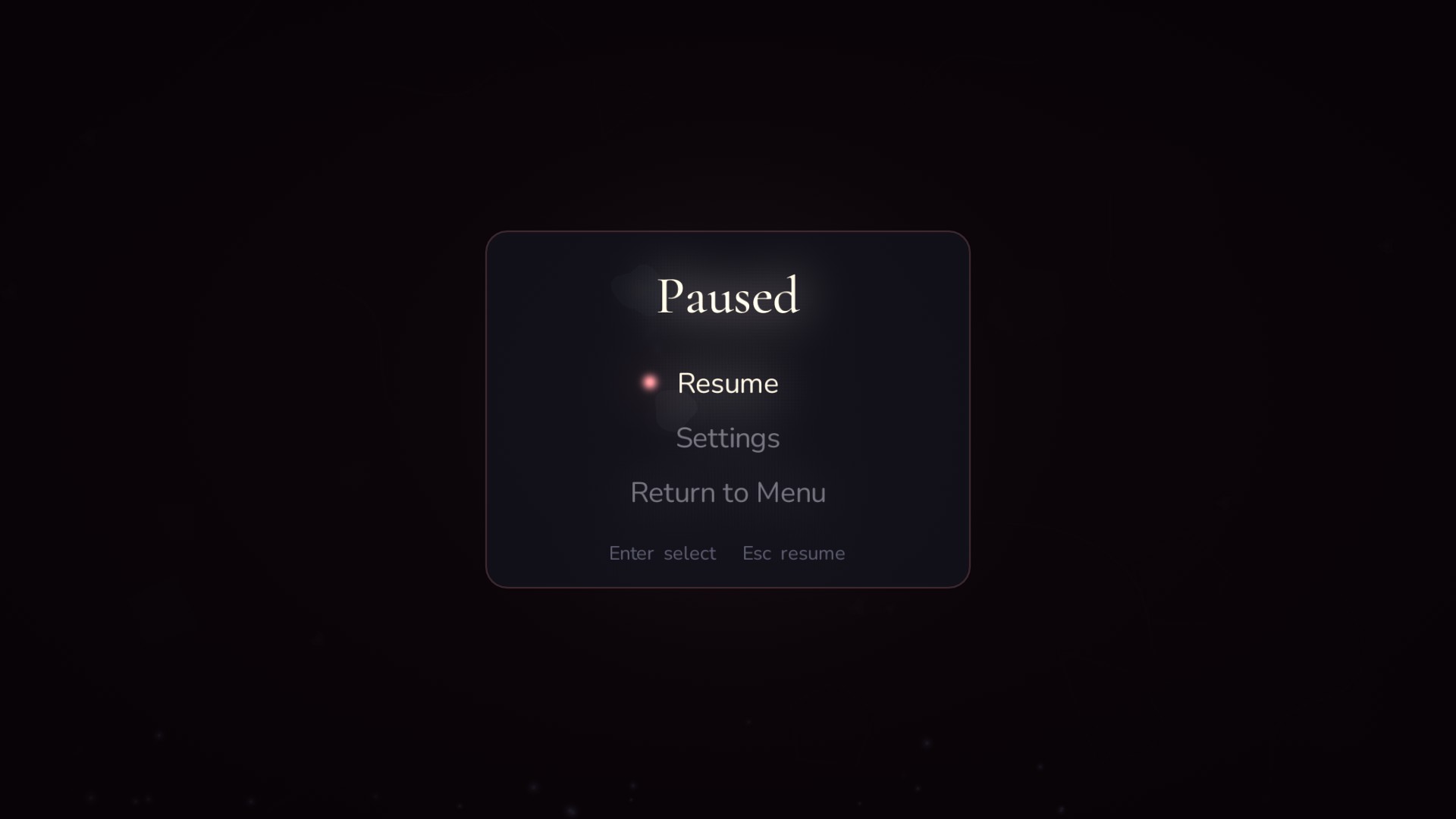
Everything on this page was rendered by the game. A small capture harness, run with an environment variable, starts a scene, presses and holds keys on a script, and steps the clock in exact 1/30 s frames, so the footage plays back smoothly no matter how long each frame took to save. It also renders the 960×540 world at twice the pixel density, so the stills are 1920×1080 and the clips are downsampled from them. The same harness checks every scene after a visual change, with no one at the keyboard. The clips are silent, and the only edits are trims, the double speed on Ledger, the two dissolves that join Lantern’s three acts, and the strips and fades in the cover.
Technical Details
- Engine: LÖVE 11 (Lua), 960×540 virtual resolution, resizable and letterboxed
- Rendering: every frame draws into an rgba16f canvas with 4× MSAA and a stencil buffer, then goes through bloom, a color grade with vignette, an optional distortion pass, and dither. Glows are a single pre-rendered radial sprite drawn additively, so they never band.
- Architecture: a scene manager with dissolve transitions, a shared title, pause and ending flow, and one module per microgame registered with its EML pattern, emotions and duration
- Audio: all music and sound is synthesized at runtime, with no audio files
- Dev tools:
EMILY_SHOTfor scripted screenshots, recordings and frame timings, andEMILY_DENSITYfor full-resolution captures - Libraries: LoveLibs as a git subtree (post-processing)